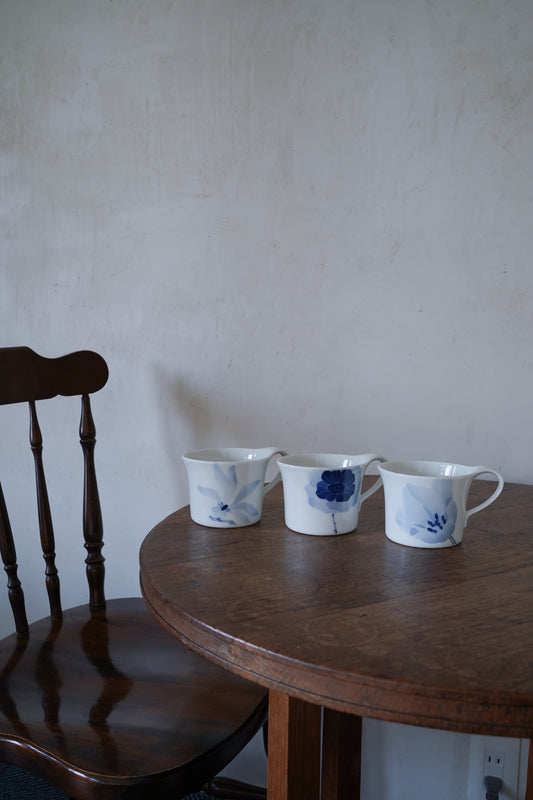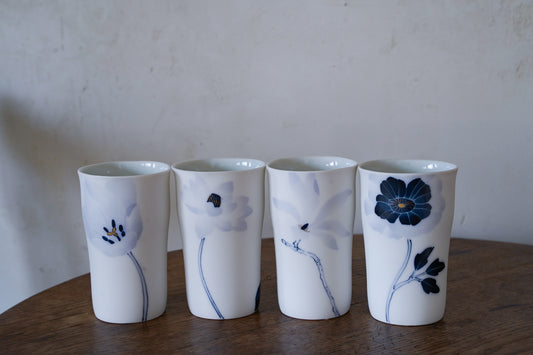

Seto City in Aichi Prefecture is the town that gave rise to the term “Setomono,” and it has been a pottery-producing region for over a thousand years.
It is also recognized as one of Japan’s “Six Ancient Kilns” and as a Japan Heritage site.
The reason it became a pottery-producing region is that high-quality clay can be found there.By blending different types of clay, both earthenware and porcelain can be made, and anything can be crafted—not only vessels, but also dolls, tiles, building materials, and whatever else is needed.
In Seto, you can enjoy a trip to this pottery-producing region from many different perspectives. This time, we’ll take you on a day-trip drive centered around Seto sometsuke ware, a traditional craft!
Visit the gallery shop of Shingama, a sometsuke kiln founded in 1919.

Shingama is located in the nature-surrounded area of Shina in Seto City. The surrounding area is enveloped by mountains, creating an environment where you can hear the chirping of birds.

It is one of the most popular kilns in Seto, andit has been making “Seto sometsuke ware” since its founding in 1919, starting with pure white unglazed clay in the workshop and decorating it with gosui underglaze.The family-run business is led by the fourth-generation owner, Mayuki Kato, who is currently the youngest certified traditional craft artisan of Seto sometsuke ware.

The gallery is attached to the workshop, and when you enter the shop, the artisans will come out to greet you. It is a must-visit for fans, as it offers a wide range of items, from vessels and vases to accessories.
Shingama
Address: 330 Nakashinano-cho, Seto City, Aichi Prefecture
Closed: Tue, Thu, Sat, Sun
Hours: 10 a.m.–12 p.m., 1 p.m.–4 p.m.
Access: Exit at the Seto-Shina Interchange on the Tokai-Kanjō Expressway, turn left at the traffic light, and continue for about 500 m.
[Bus] Take the 1H via Furuseto to Shina Bus Center or the 2H from Seto Station to Kamishina via Furuseto from the Seto Station bus stop at the Owari-Seto Station rotary.Get off at the Shina bus stop and walk for about 5 minutes.
Parking: Available
Adjacent baked goods shop “BAKESHOP mitten”
 Located on the Shingama premises, BAKESHOP mitten is a takeout-only baked goods shop run by Mayuki’s sister. It offers a wide variety of adorable, heartwarming baked goods, with shortbread especially recommended.

Shingama also offers exclusive mitten items that will make your snack time more enjoyable, so be sure not to miss them.

BAKESHOP mitten
Address: 330 Nakashinano-cho, Seto City, Aichi Prefecture
Closed: Tue, Wed
Hours: 12 p.m.–5 p.m.
Learn about Seto sometsuke ware and try your hand at painting at the SetoSometsuke Craft Museum.
 Located about 8 minutes by car from Shingama, the SetoSometsuke Craft Museum is in the center of Seto City. This facility focuses on Seto sometsuke ware, and the second floor displays how Seto sometsuke ware is made, as well as historic masterpieces.
 The building is a reconstructed auxiliary workshop of the Kotōen Chikuho Kiln, which has been making Seto sometsuke ware since the Edo period, and some of the original kilns remain. Admission is free.
On the first floor, you can try your hand at sometsuke painting, which is available at a special price. In return, because the pieces are fired in the kiln in batches, it will take several months for them to be completed.
 You can watch the apprentices at work. They seem happy to have you watch them work, and when we visited, the artist invited us to come and see.
SetoSometsuke Craft Museum
Address: 98 Saigō-cho, Seto City, Aichi Prefecture
Closed: Tue
Hours: 10 a.m.–5 p.m.
*Ceramic workshops require reservations.
Visit the former residence of Masukichi Kawamoto, a sometsuke potter who achieved international acclaim: Masukichi

“Masukichi” aims to be a base for exploring Seto, a pottery-producing region, and is a multi-purpose facility in a renovated traditional house that we opened as accommodation in 2018, with an attached cafe and souvenir shop.
This building was the home of Masukichi Kawamoto, a potter at a prominent Seto kiln that made sometsuke porcelain from the end of the Edo period through the Meiji era.
Mr. Kawamoto’s works were exhibited at the first World Expo in Vienna, where Japan participated as a government, and at the Paris Exposition, and won bronze medals. Because his surviving works are rare, they are housed at the nearby Seto Kura Museum, about a five-minute walk away.
 “Masukichi”The souvenir shop inside the building offers fun face-in-hole panels by Manaka Anayama, an artist known for painting beckoning cats in sometsuke, as well as Seto sometsuke earthenware, which was the origin of Seto sometsuke ware.

A horse-eye plate by Seto Hongyō.

If you arrive before check-in time, we can show you around the building. Please relax and enjoy your stay in this space where Mr. Kawamoto once lived with his apprentices.

Masukichi -hostel cafe souvenir guide-
22 Nakakiri-cho, Seto City, Aichi Prefecture
Hours: Mon–Thu 3 p.m.–9 p.m., Fri, Sat, Sun, and holidays 1 p.m.–9 p.m.
Closed: None
How was it?
Seto offers pottery trips that can be enjoyed from many different perspectives.Check the opening hours and holidays, and plan your trip.