

Setohonyo | Honyo Tile
Setohonyo | Honyo Tile
Shipping: ¥700 flat rate / half-price shipping on orders of ¥11,000 or more
Couldn't load pickup availability
FAQ
Is it microwave and dishwasher safe?
Most pieces can be used in the microwave and dishwasher. Please avoid both for pieces with gold or silver decoration, earthenware with crackle glaze, and figurines. Hand washing is recommended for long use.
Will it look exactly like the photo?
Each piece is fired one by one at the kiln, so color, glaze flow and size vary slightly. Please enjoy it as the character of handmade ware.
When will it ship?
Orders ship within 3–5 business days via Yamato Transport. We will email you when it ships.
How much is shipping?
Shipping is ¥700. Orders of ¥11,000 or more get half-price shipping.
What if it arrives broken?
Please email us (masukichi@hitotsuchi.jp) within 7 days of arrival. We will replace or refund it at our cost.
Can I see it in person?
Many pieces are on display at our shop, Masukichi, in Seto, Aichi.
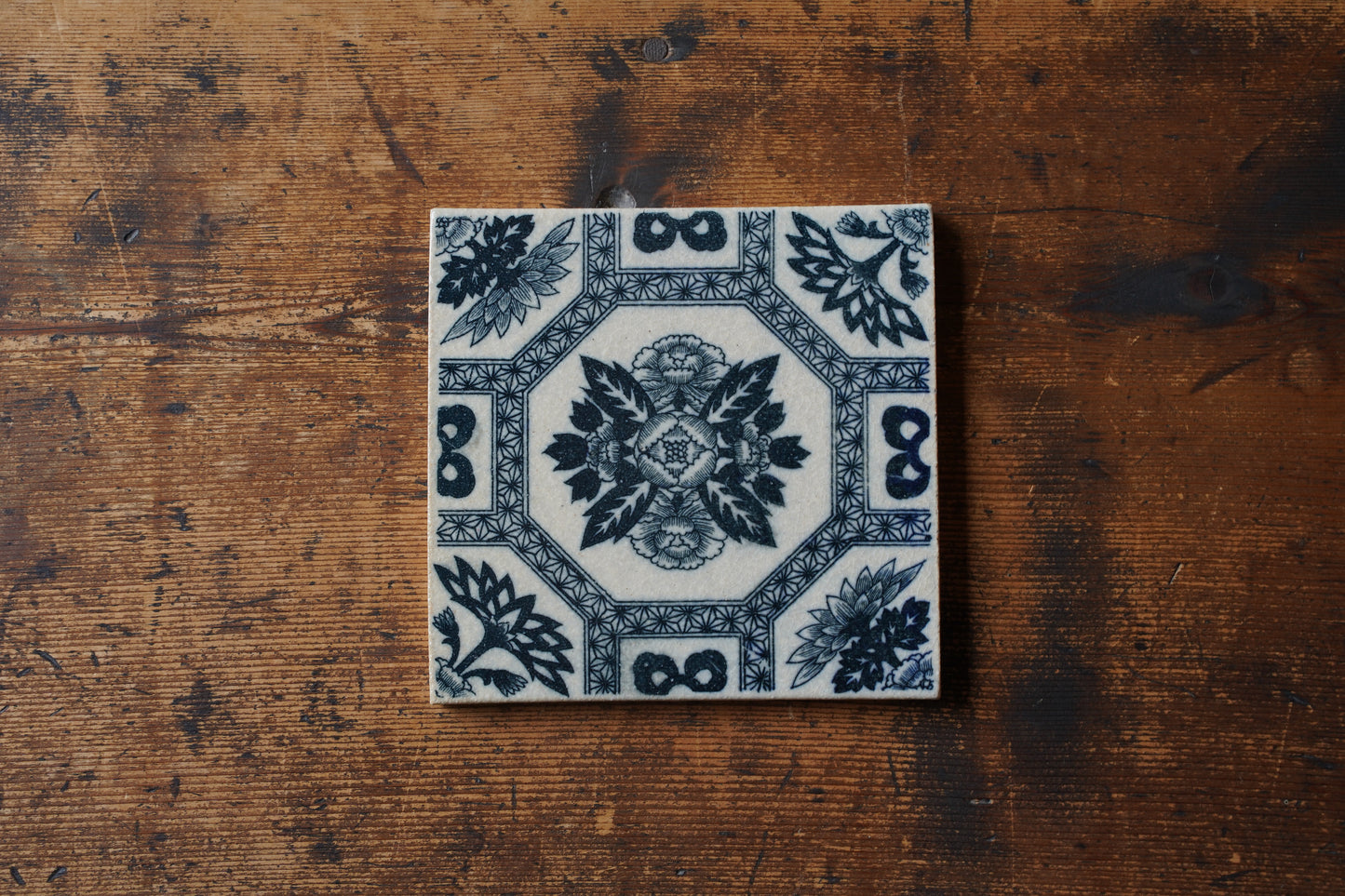
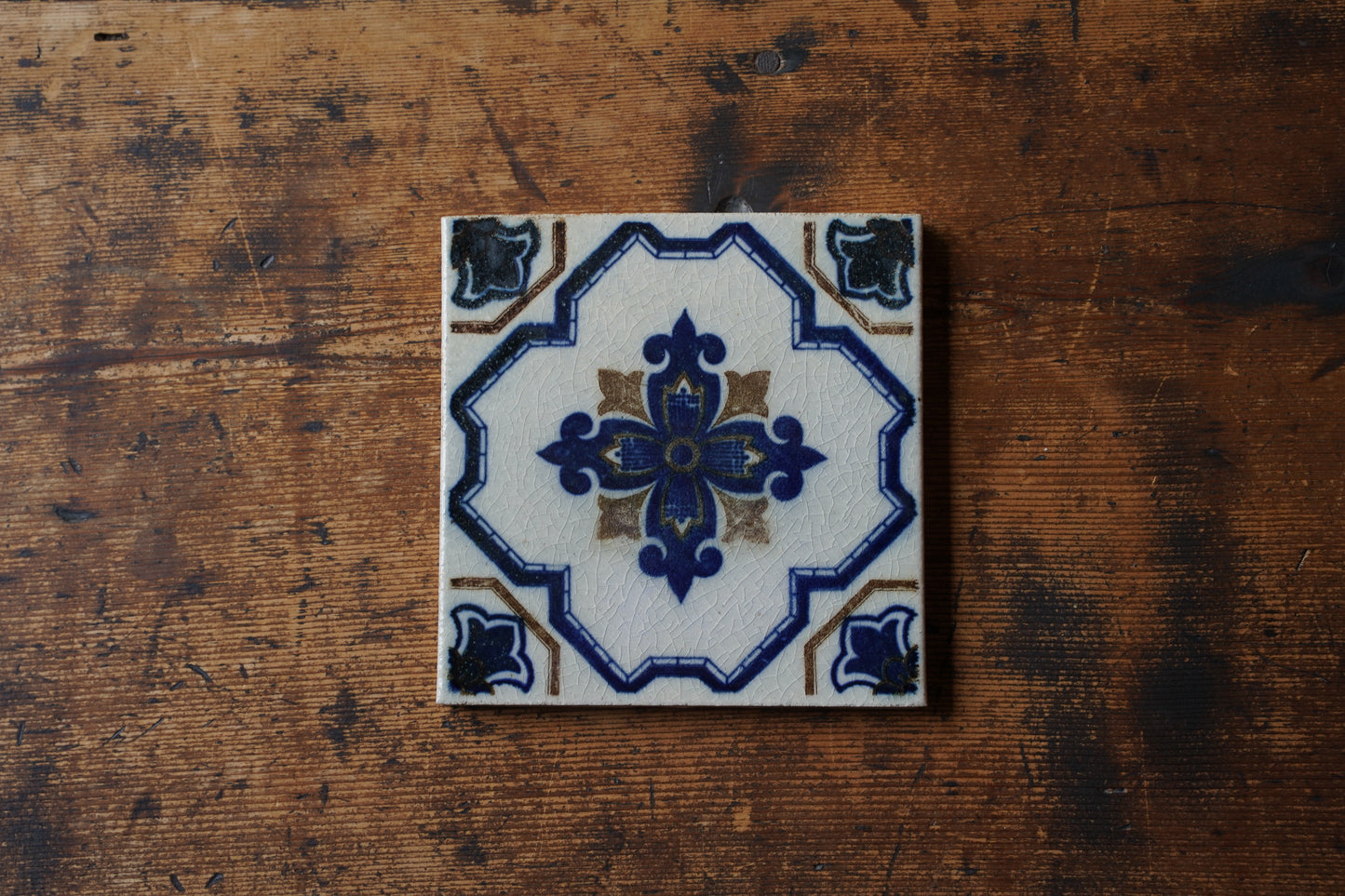


Japan's First Mass-Produced Japanese Tiles
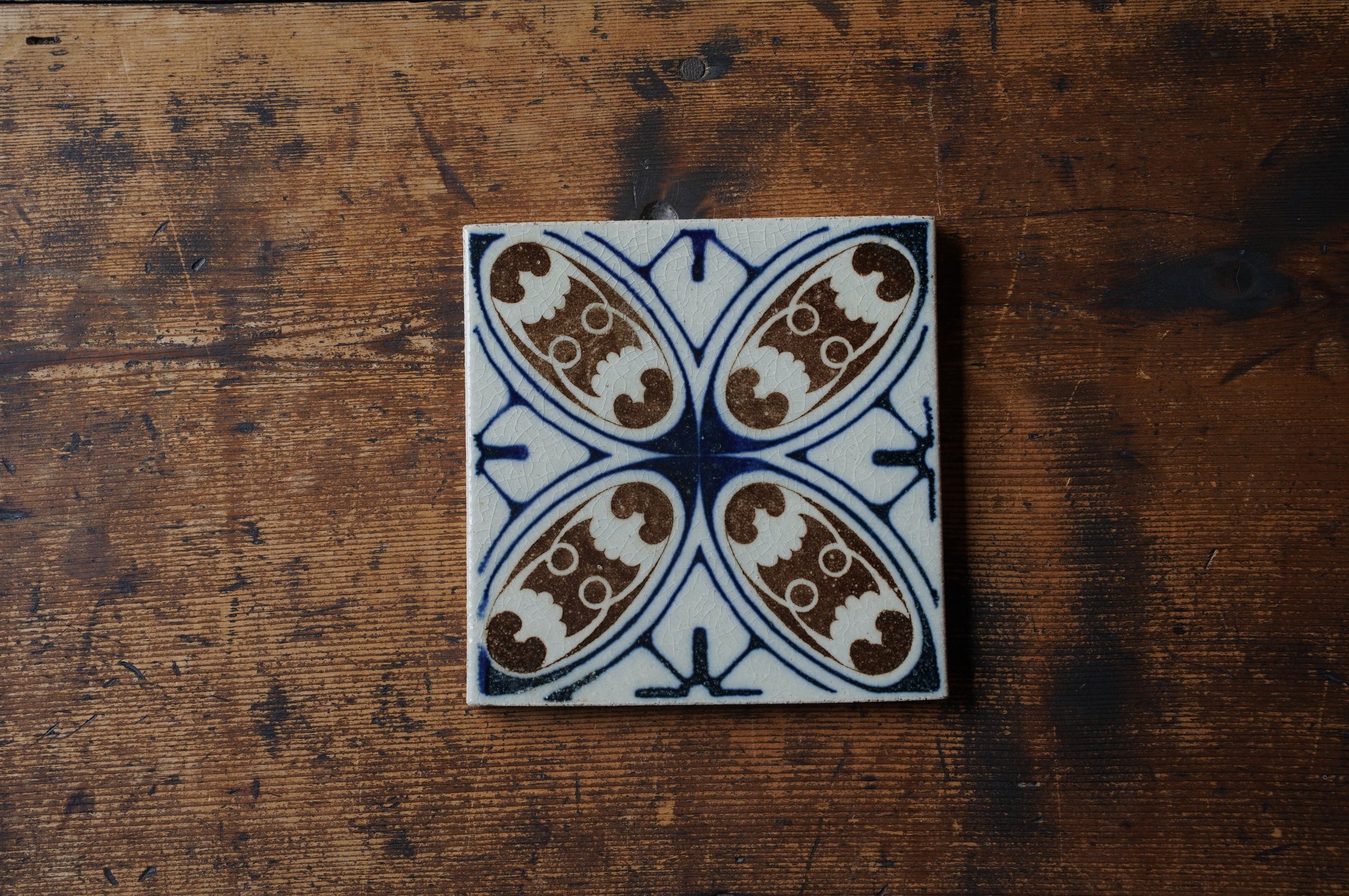
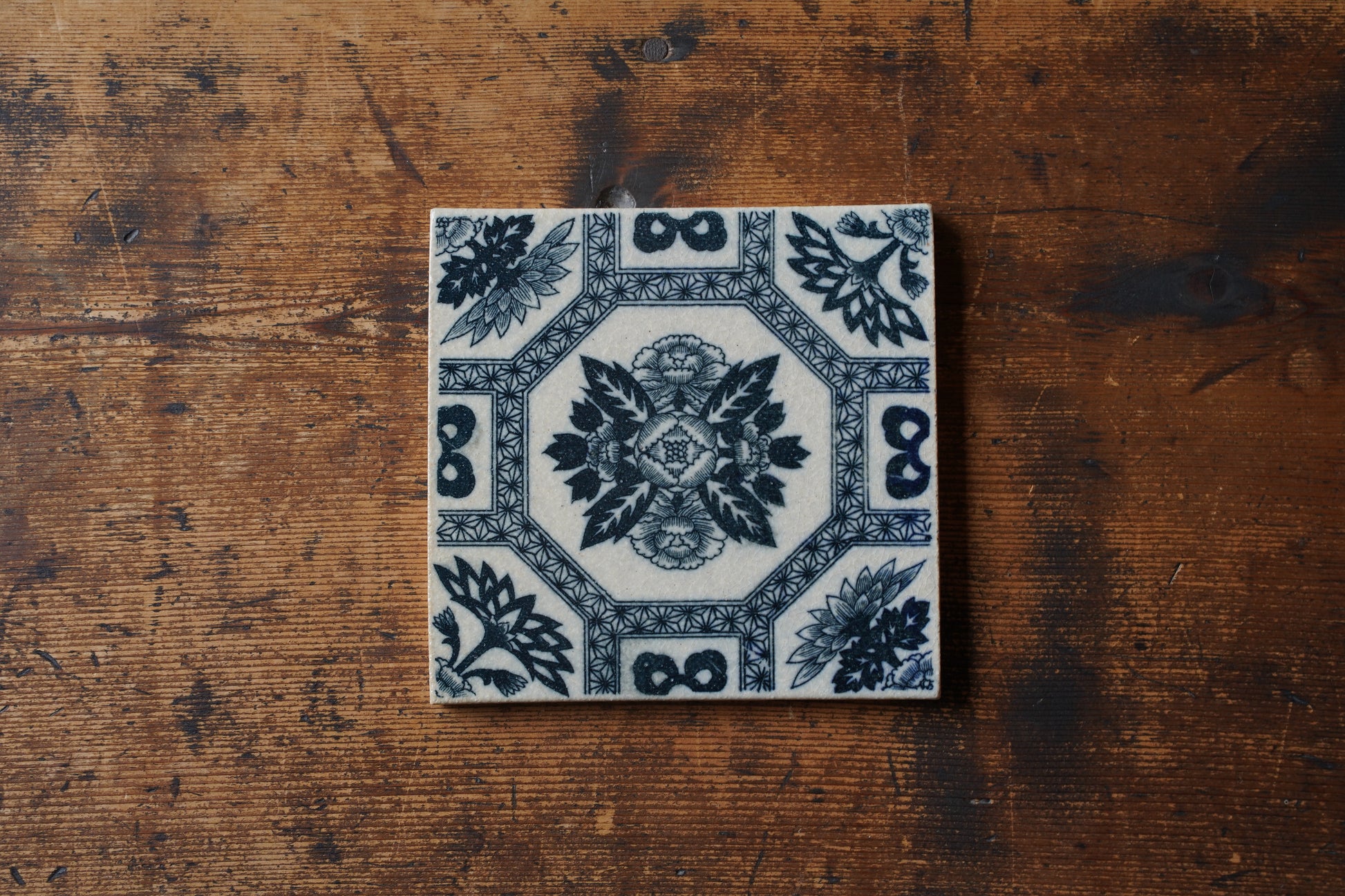
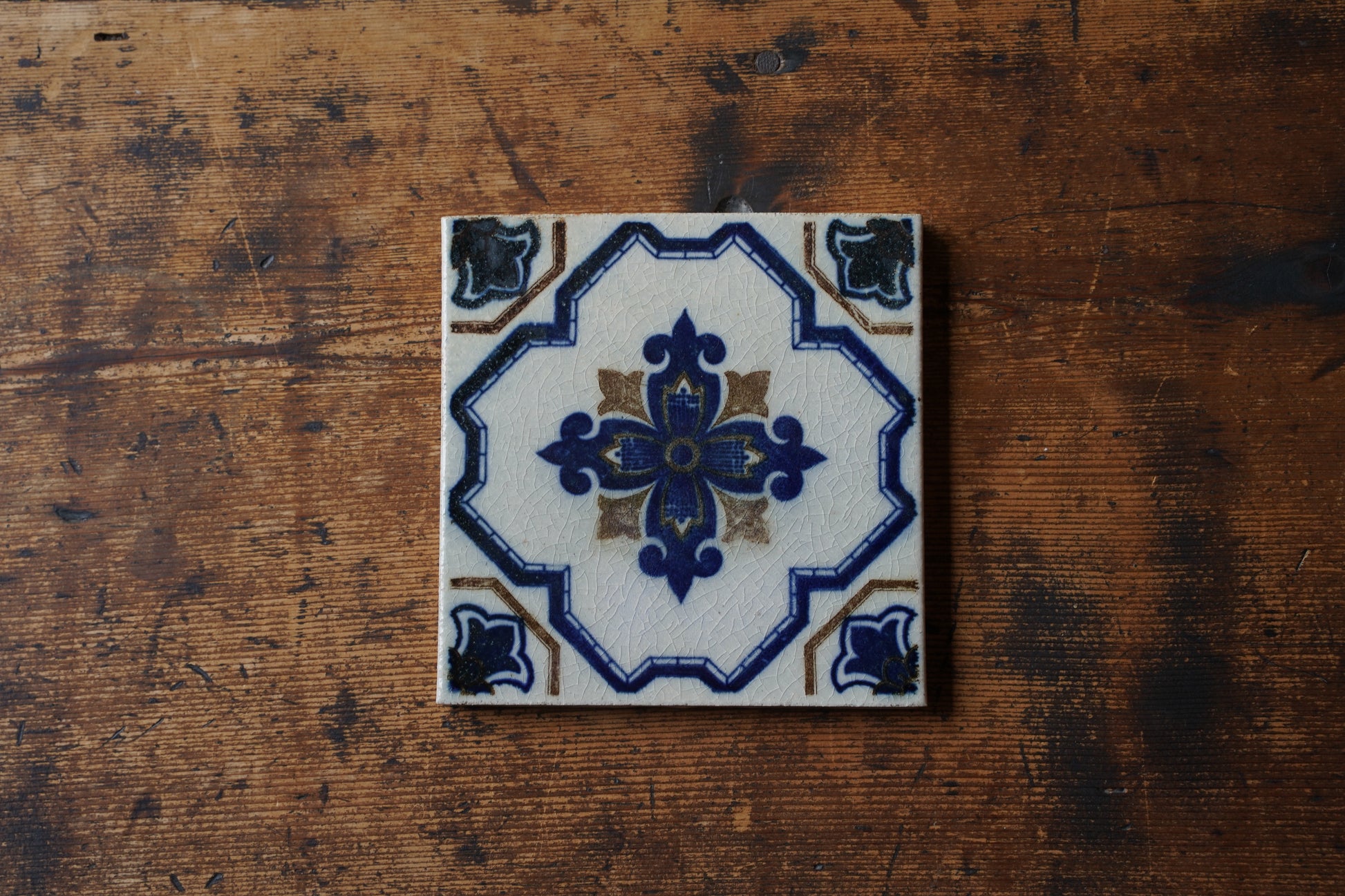
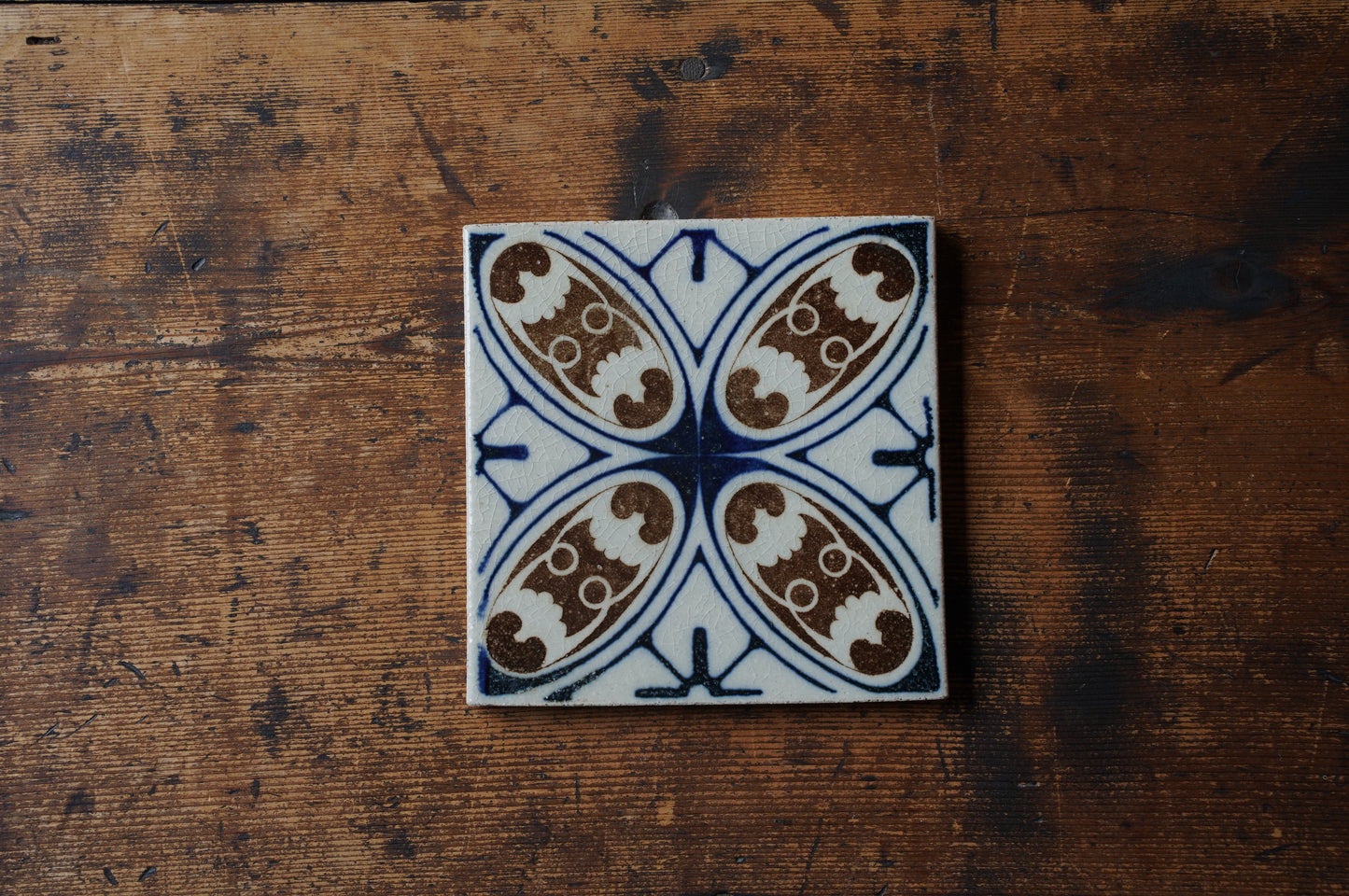
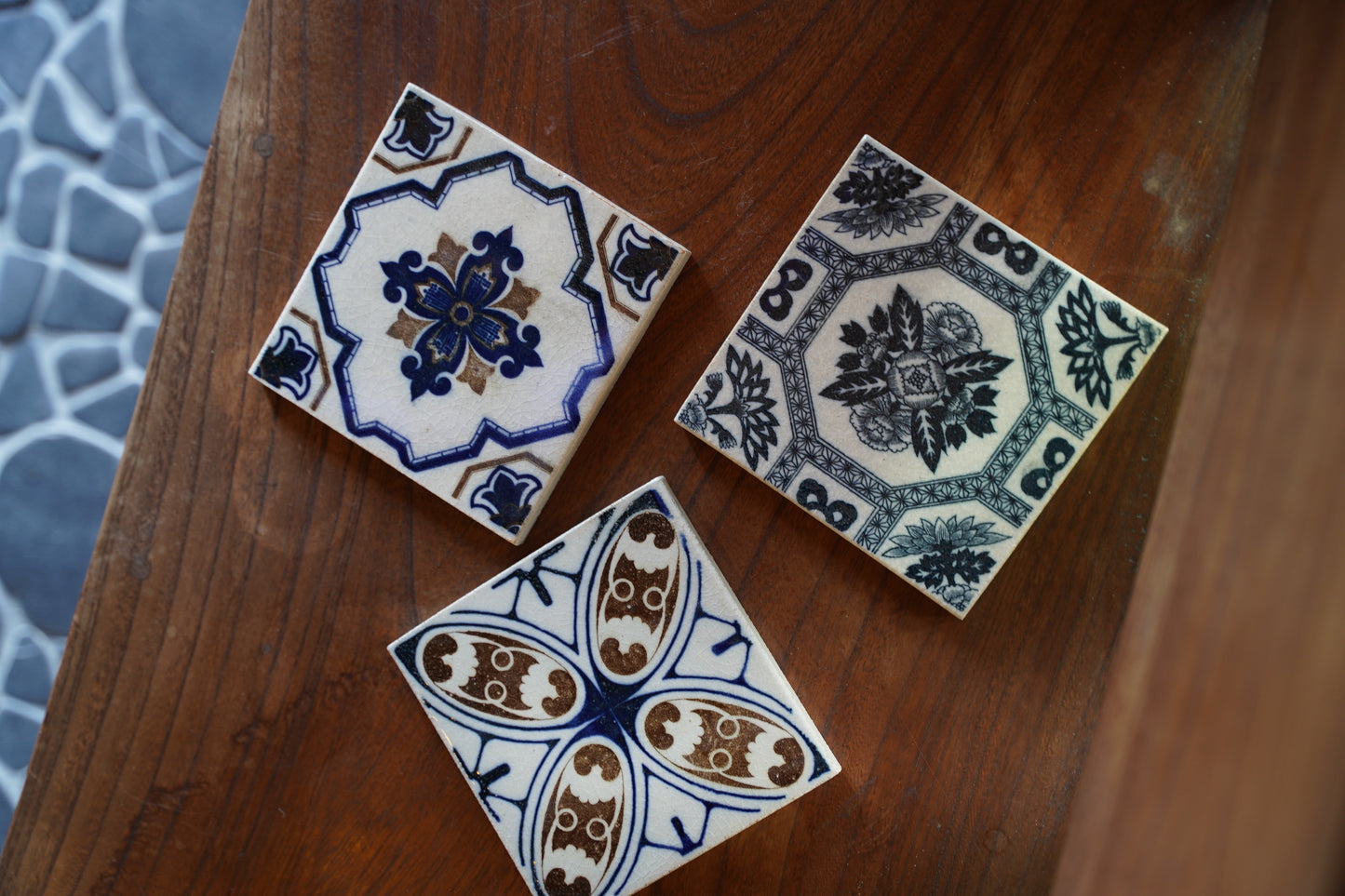
These are "Hongyo Tiles," the first mass-produced tiles in Japan, made by Seto Hongyo Kiln, a pottery kiln with roots dating back to the Edo period. They are manufactured using the same methods introduced from Britain at the time.
Made of earthenware, they are large, measuring approximately 15 cm × 15 cm × 1 cm, and even a single tile makes a striking impression.Place one under a vase, use it as a trivet, or add it as an accent to your home wall—it will instantly make the space more elegant and vibrant.
※If you are looking for them as building materials for a store or the interior or exterior of your home, please contact us. Our prices are standardized with those of the manufacturer, Seto Hongyo Kiln. We offer a small discount for orders of 30 tiles or more.
※Currently, we only carry the four types of Hongyo Tiles that are still in production.

Paired with Seto Hongyo Kiln's wildflower stand.

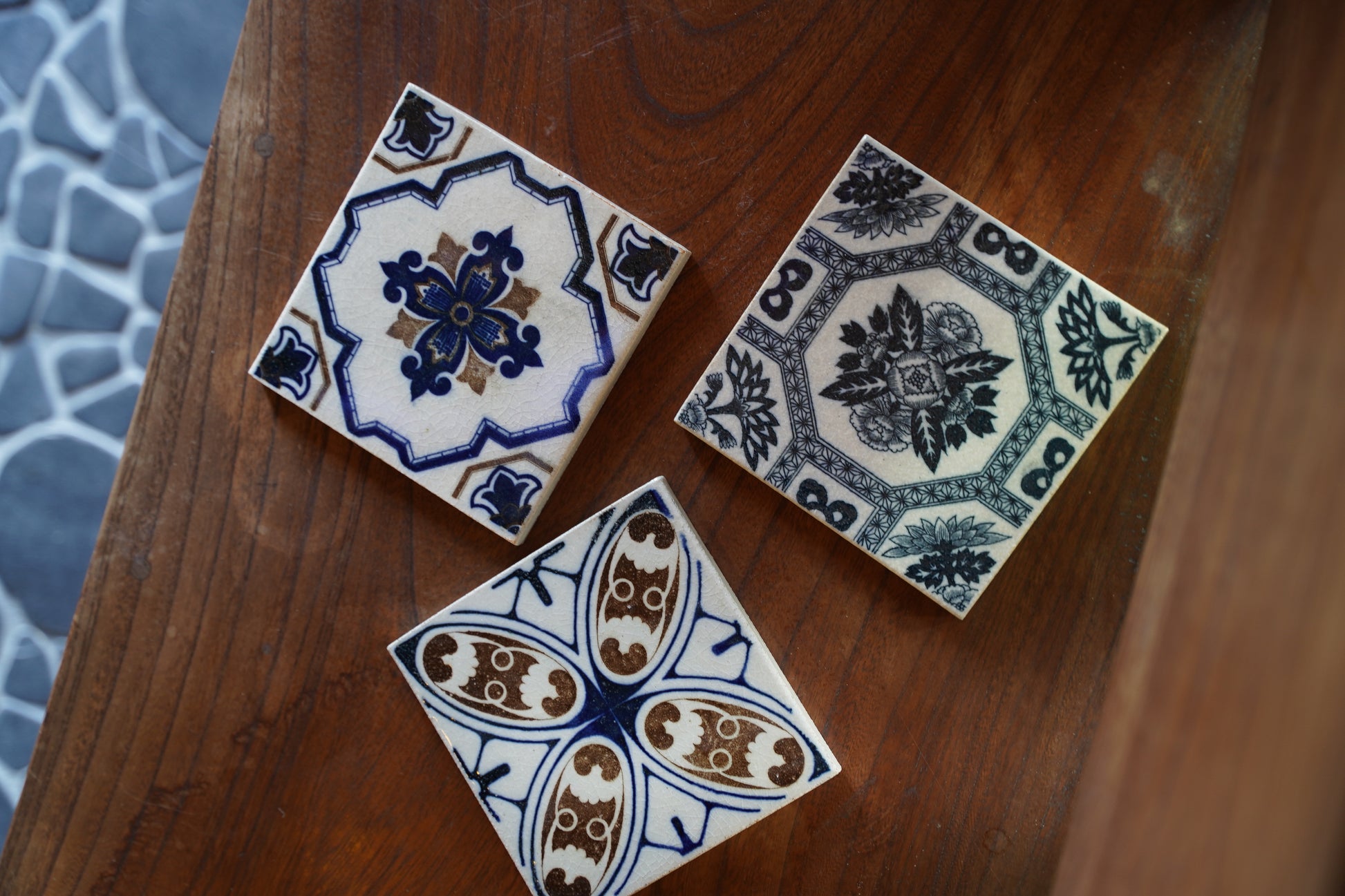
Bat Geometric Pattern (Koumori Kikagakumon)

Lotus Geometric Pattern (Hasu Kikagakumon)

Lily Geometric Pattern (Yuri Kikagakumon)

Cherry Blossom Geometric Pattern (Hanabishi Kikagakumon)

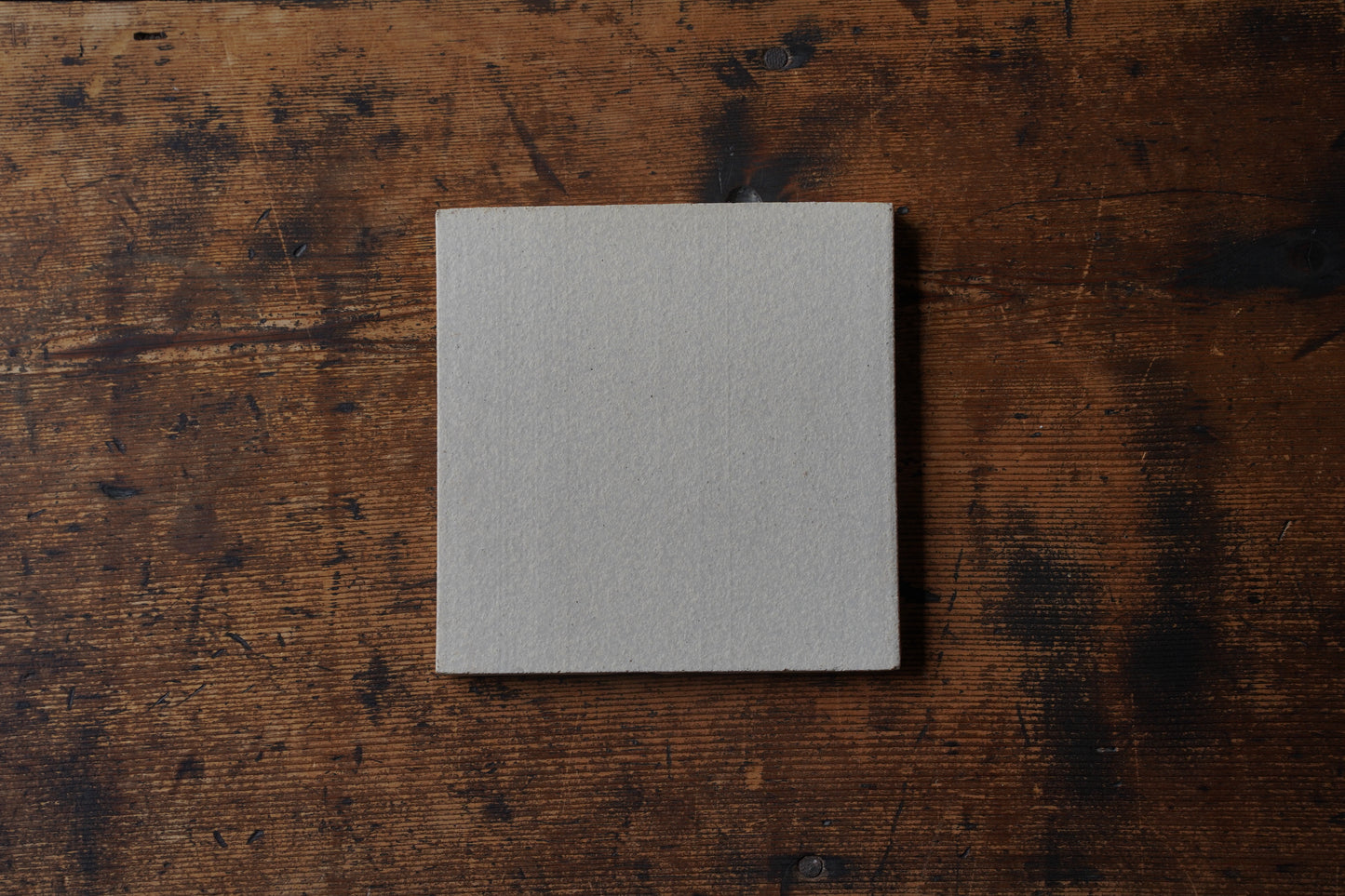
Approximately 1.2 cm thick.

For size reference. It is impressively large.
Decoration by Copperplate Transfer Introduced in the Meiji Era
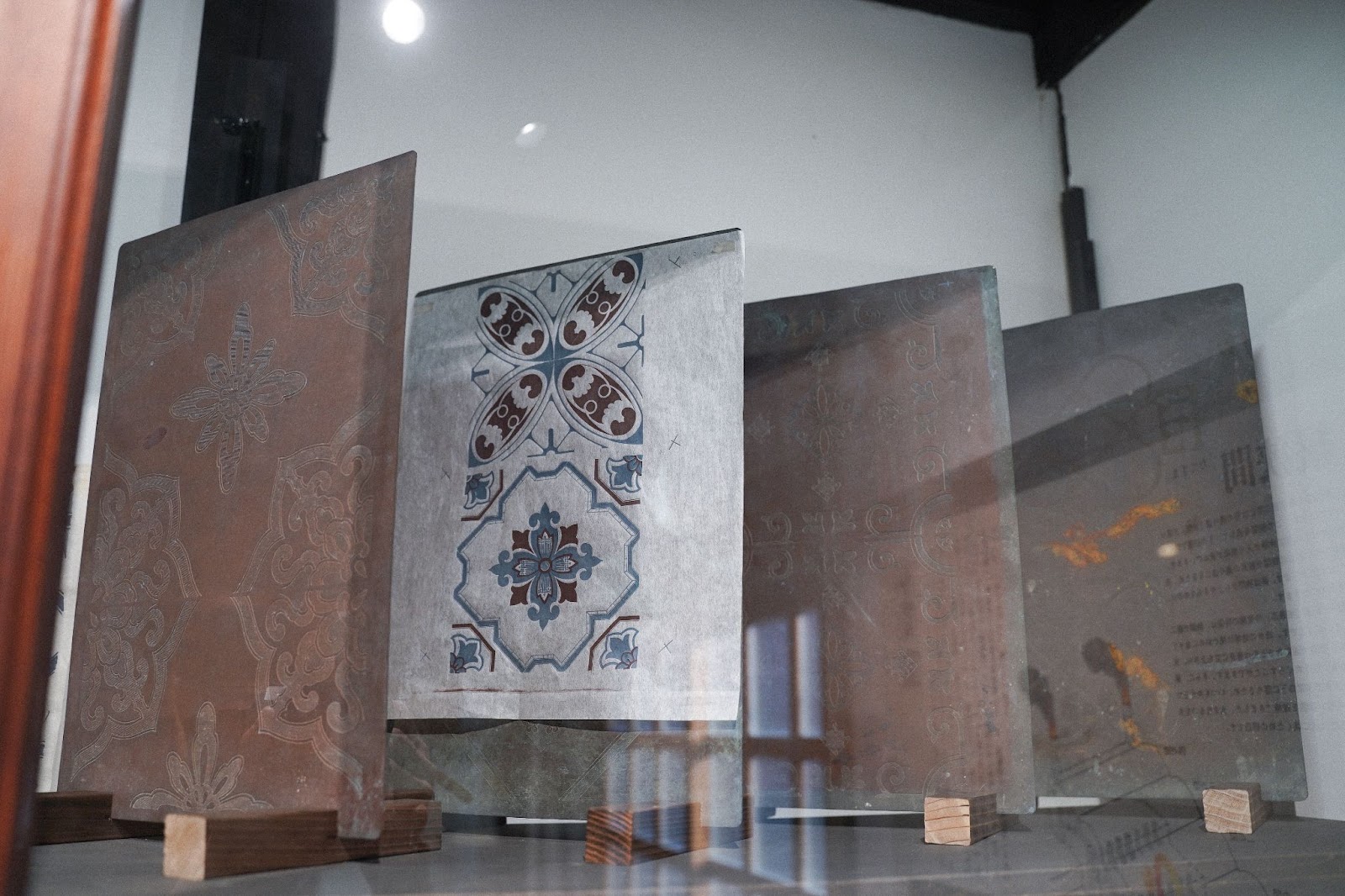 Each piece is handmade using copperplate transfer.
The pattern is printed onto transfer paper using a plate engraved in copper, and then transferred from that paperto the potteryusing the "copperplate transfer" technique, creating each piece by hand.
Tiles That Carry History
Tiles were introduced to Japan at the end of the 6th century, arriving from the continent as "roof tiles."
By the 12th to 14th centuries, Chinese architectural styles were introduced along with Zen Buddhism, and buildings with "shiki-gawara" (floor tiles) laid on the floors began to appear.
In the early Edo period, glazed floor tiles made in Seto were used in the mausoleum of the first lord of the Owari domain, and this is said to be the beginning of Japanese tiles.
In Japan, tiles were called by 25 different names, including "kesho-renga" (decorative bricks) and "soshoku-renga" (ornamental bricks), but the term "tile" was standardized in 1922. As Western-style buildings increased following the Meiji Restoration, tiles began to be mass-produced in Seto.
Initially, they were decorated by hand, but copperplate transfer was adopted for mass production.
In addition to traditional Japanese motifs,designs inspired by British Victorian tiles, featuring plants, floral patterns, and intricate geometric designs,were widely adopted.
Seto Hongyo Tiles are reproductions of tiles made during that era, crafted using the same methods of the time.
[About the Product]
Name: Hongyo Tile
Material: Earthenware
Size: 15 cm × 15 cm × 1.2 cm
Texture: Glossy, with a noticeable glassy glaze.
Manufacturer: Seto Hongyo Kiln
※As these are handmade, please use the provided measurements as approximate guidelines.
[About Bulk Orders]
We also accept bulk orders. Orders of 30 tiles or more can be sold at commercial prices. If you are interested, please contact us.
[Important Notes on Returns and Exchanges]
For this product, returns and exchanges due to customer convenience will require the customer to cover the round-trip shipping costs. Even if the item is unused, returns and exchanges due to differences in size, design, or color from what you expected will be considered a customer-initiated return.
Depending on your browser, monitor performance, and settings, the product's color, texture, and other characteristics may differ slightly from the actual item. Please understand this in advance.
[Introducing the Makers of Seto]
Handcrafted Work Rooted in Daily Life: Seto Hongyo Kiln, a Pottery Kiln Dating Back to the Edo Period

"Seto Hongyo Kiln" is located in the Horai area of Seto City. It is approximately 1.5 km from Owari-Seto Station.Since the mid-Edo period, it has produced everyday items such as stone plates and plates with "uma-no-me" (horse-eye) patterns, and after the Meiji era, "Hongyo Tiles," the first ceramic tiles made in Japan.
Here, they continue work closely related to the craftsmanship of Seto that has persisted since the Edo period or even earlier.
"Hongyo" refers to earthenware. Because Seto has long been known for producing earthenware, the newly introduced porcelain is called "Shinsei."

Horai was a town in a valley flanked by two mountains, and it is said that in the past, countless climbing kilns were built on the mountain slopes. It was during that time that "kamagaki" (kiln fences) carrying kiln tools were created.The townspeople have carefully preserved them over time. The approximately 400-meter stretch of this kiln fence, once a main street where artisans came and went, is called "Kamagaki no Komichi" and retains the distinctive atmosphere of a pottery-producing area.

In 2022,the "Seto Museum of Craft and Living [Seto Mingeikan]" also opened, and the building housesSeto City's designated cultural property climbing kiln, where you can still feel the remains of what is said to have once been a 13-chamber kiln.
The purpose of opening the museum is to help people learn about the local craft culture passed down by their predecessors. It also aims to convey the "lives" of the people behind the vessels that connect people.
Handcrafted Production

Sayumi Kawai, working as an artisan.
At "Seto Hongyo Kiln," which continues to pass down the traditional pottery world of Seto to the present day, approximately 2,000 pieces are handmade each month. Shaping is basically done on a potter's wheel.

Depending on the design, the painting is done by a professional painter.
By adopting a division of labor, each person repeats the same process. This allows them to become skilled, improving both quality and production speed, which is why they use this system.
Making Clay from Raw Earth
Now, you probably imagine that work on a potter's wheel and painting are the kinds of handcrafts most people think of.
But have you ever thought about the raw materials used before that?
At "Seto Hongyo Kiln," they make clay from raw earth. Seto produces a high-quality soil called "kaerame clay," which is considered one of the best in the world for pottery.
However, raw earth cannot be used as clay as it is.When asked Yusuke about making the clay, he explained it very carefully.
"We buyraw earth collected from the mountains of Seto (known as white earth in Seto, with kaerame inclusions), crush it, pass it through a sieve,mix it with water, and let it rest. Kaerame clay is graded, but we deliberately choose a coarser, more impure variety so that it does not become too refined."

"If you try to extract the clay content from raw earth, impurities are gradually removed in the process. This causes the clay to become more like porcelain clay. We simply take dry earth that has been dried once and mix it with water to return it to its original state in the mountains. This method is not common. It is a bit special."
Other additions include wood-fired clay and chamotte.

This is wood-fired clay. It is made by adding water to dried wood-fired clay to turn it into clay. It is added to make it easier to shape on the potter's wheel.
It has a strong ability to hold its shape and is favored by sculptors making figures and other models, but because it shrinks very easily, only a small amount is added.

Chamotte is crushed fired clay. When touched, it feels rougher than white earth. Because wood-fired clay shrinks so much, it is added to prevent excessive shrinkage. Since fired clay has already shrunk once, it is said to be less prone to shrinking.

This is the mixture. The amount of water added is determined by the clay's consistency.This is the clay after being mixed and left to rest for about one month.

Three-month-aged clay. The entire mixture becomes more uniform.

The clay is prepared about once every two months. When used, it is put through a clay mixer to knead it.
Natural Materials Also Used for Glazes

Glaze.
All the glazes are also handmade. Ash glaze is made by burning and grinding the Japanese red pine trees commonly found in Seto. Copper is added to this base to create a green glaze. Iron is added to make an iron glaze. Rice straw ash is added to create a white glaze.

Gentle colors born from nature.
Seto is truly blessed with soil ideal for pottery, and you can feel how this has shaped the town's way of life.
What We Find Amazing About "Seto Hongyo Kiln"
Finally, what we genuinely find amazing is that whenever we ask Yusuke Mizuno, the eighth-generation owner, a question about any of the items he makes, he always answers immediately.
For example, coffee cups did not originally exist in Japan, and he can explain how they were introduced to Seto Hongyo Kiln. There is history behind them, a clear reason, and Yusuke himself is always acutely aware of it. We are always moved by this. You can experience the truth of his answers for yourself. Please come and experience it.
ABOUT THE MAKER
Seto Hongyo Gama
Setohonyogyo is a pottery studio in Seto City, Aichi Prefecture, with a history dating back to the late Edo period. The studio produces traditional Seto pott...
MORE FROM THE MAKER
Seto Hongyo Gama
-
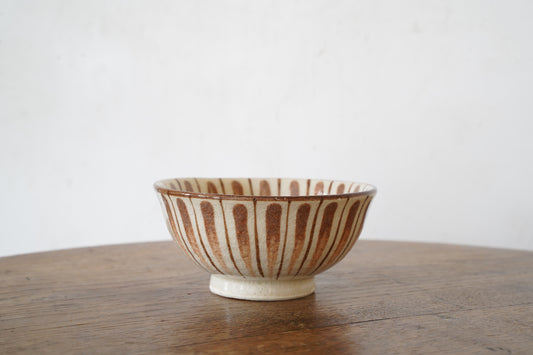
Setohonyo | Mugiwara Rice Bowl (Small)
Regular price ¥3,300Regular priceUnit price per -
Setohonyogyo | Mugiwara Rice Bowl (Large)
Regular price ¥3,850Regular priceUnit price per -
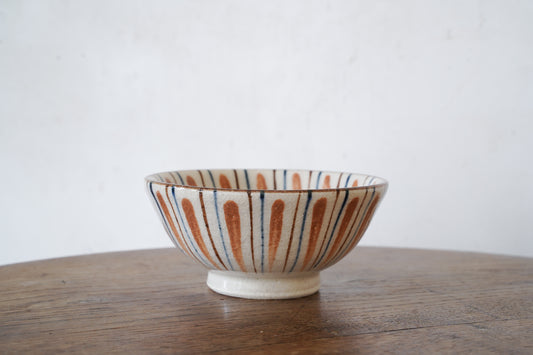
Setohonyogyo | Mugiwara-de / Tokusa Rice Bowl (Large)
Regular price ¥3,850Regular priceUnit price per -
Setohonyo | Sansai Small Dish, 4 sun
Regular price ¥2,640Regular priceUnit price per