Kamagaki no komichi Cookies (large box)
Kamagaki no komichi Cookies (large box)
Shipping: ¥700 flat rate / half-price shipping on orders of ¥11,000 or more
Couldn't load pickup availability
FAQ
Is it microwave and dishwasher safe?
Most pieces can be used in the microwave and dishwasher. Please avoid both for pieces with gold or silver decoration, earthenware with crackle glaze, and figurines. Hand washing is recommended for long use.
Will it look exactly like the photo?
Each piece is fired one by one at the kiln, so color, glaze flow and size vary slightly. Please enjoy it as the character of handmade ware.
When will it ship?
Orders ship within 3–5 business days via Yamato Transport. We will email you when it ships.
How much is shipping?
Shipping is ¥700. Orders of ¥11,000 or more get half-price shipping.
What if it arrives broken?
Please email us (masukichi@hitotsuchi.jp) within 7 days of arrival. We will replace or refund it at our cost.
Can I see it in person?
Many pieces are on display at our shop, Masukichi, in Seto, Aichi.
Souvenirs Showcasing the Scenery of Seto, a Pottery Town
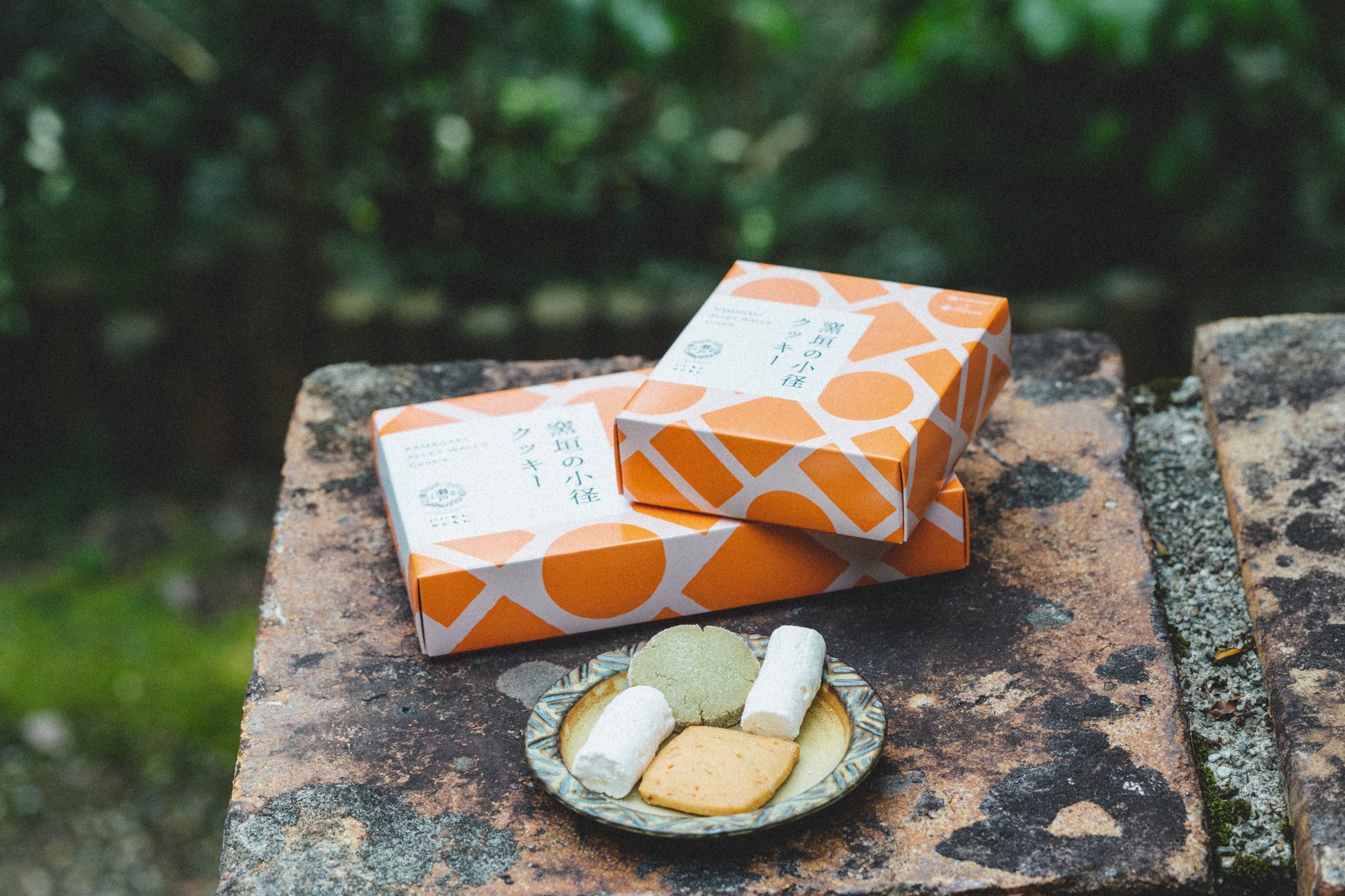
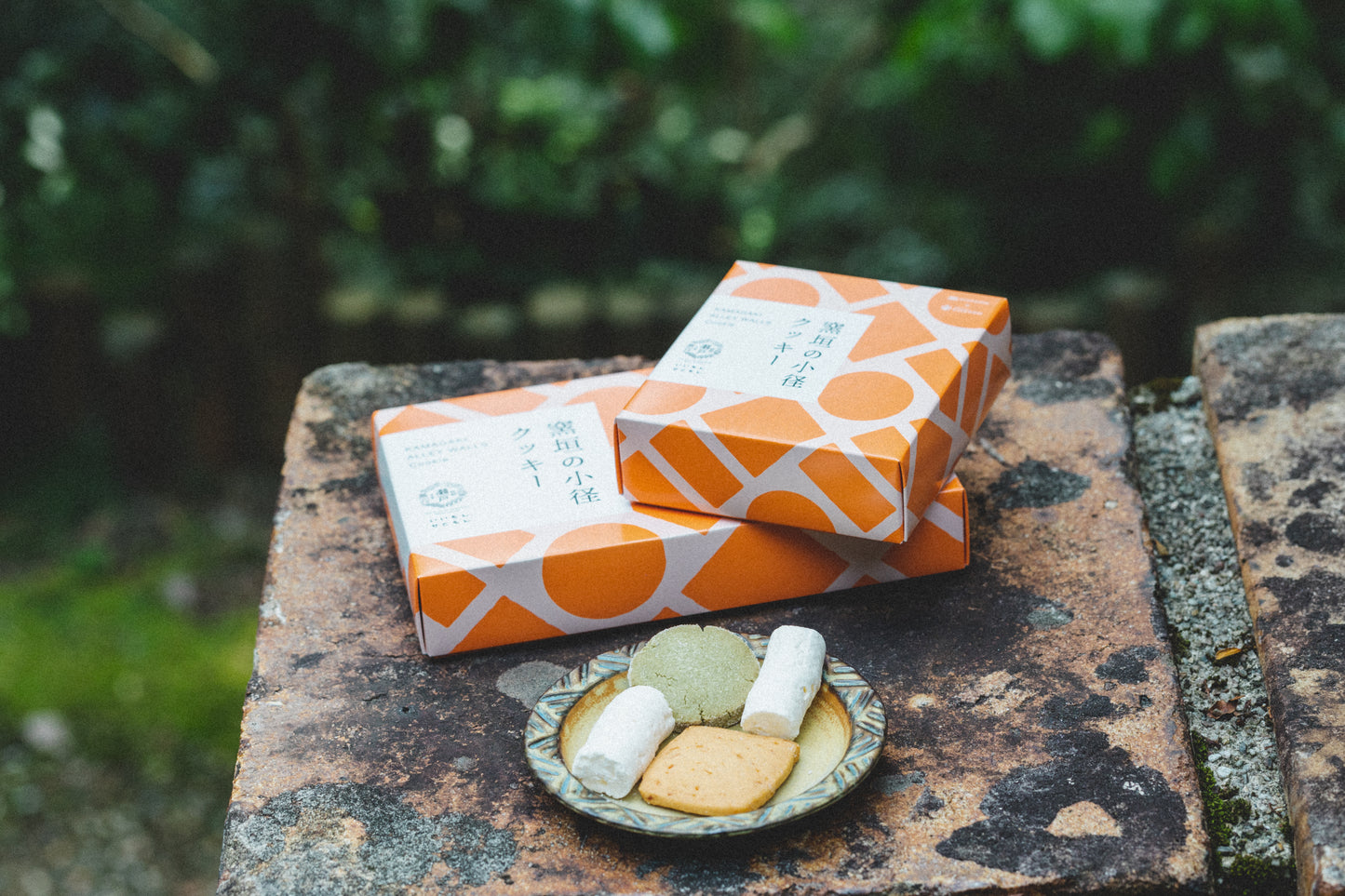
Seto City, Aichi Prefecture, has been producing pottery for over a thousand years. These cookies featuring the scenery of Seto, a pottery town, are an original souvenir product by Masukichi.
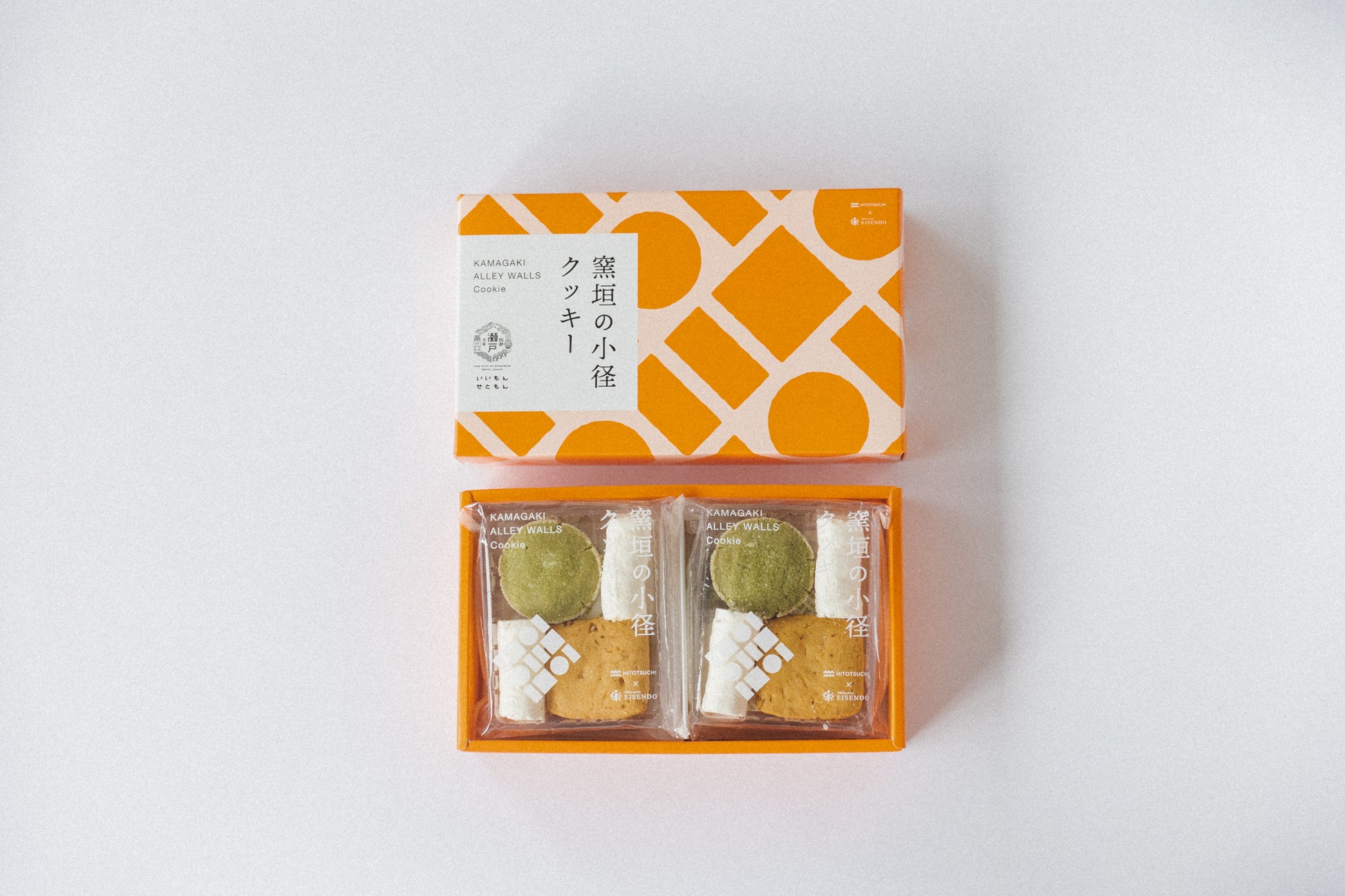
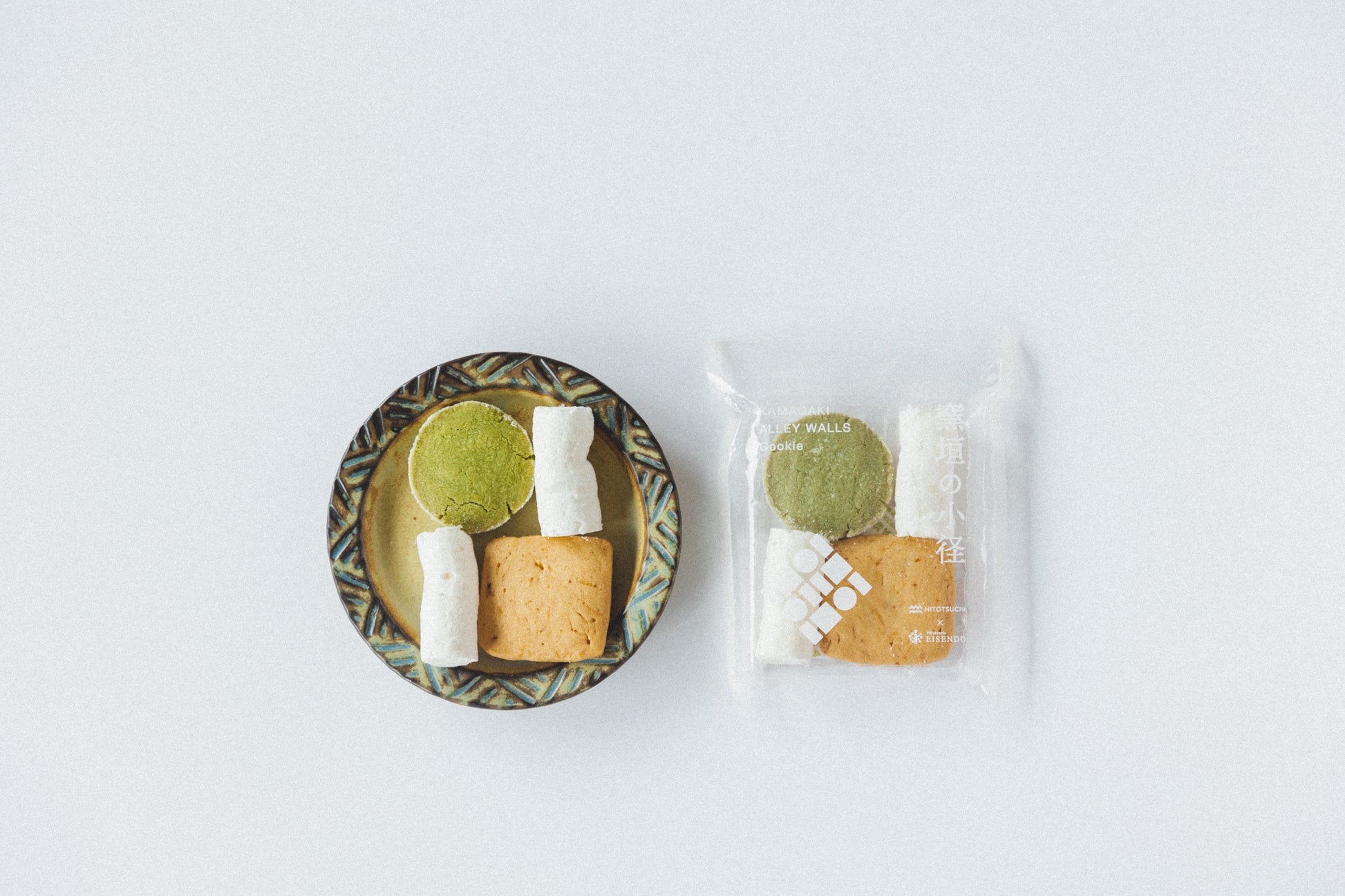
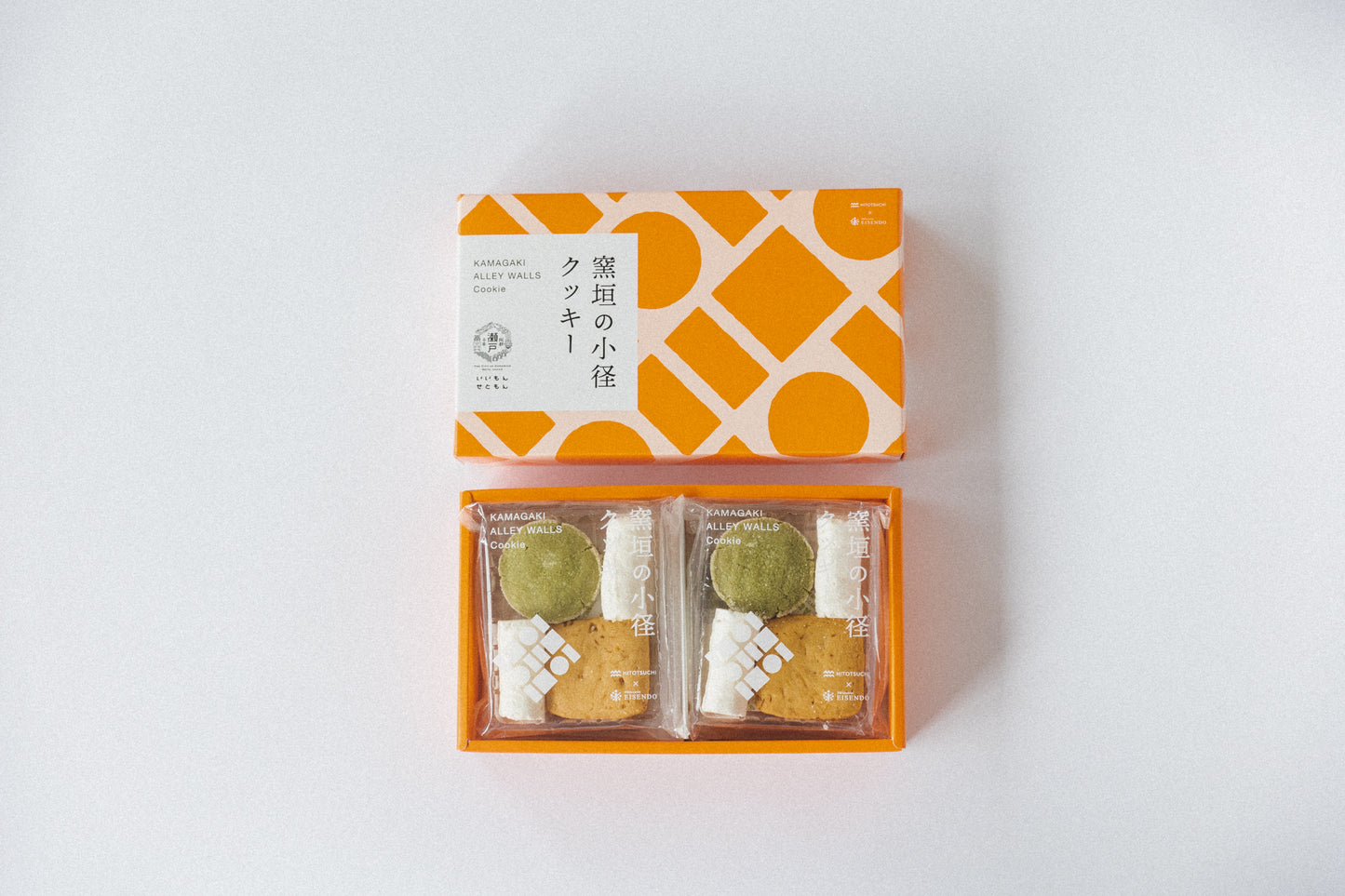
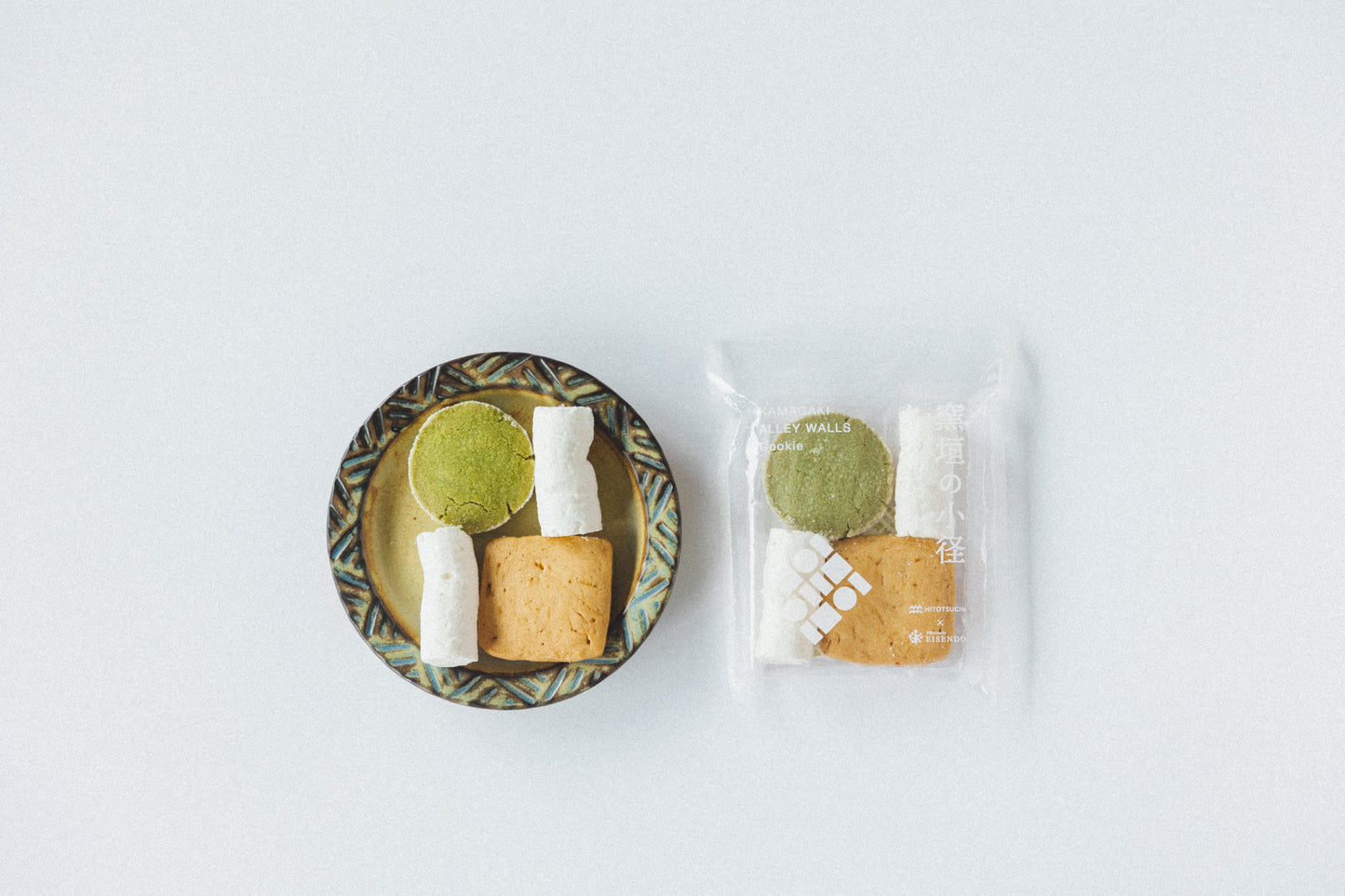
 The large box contains 4 individually wrapped packages.
There are three flavors: matcha rice flour sable, coconut meringue cookies, and cookies with orange peel.
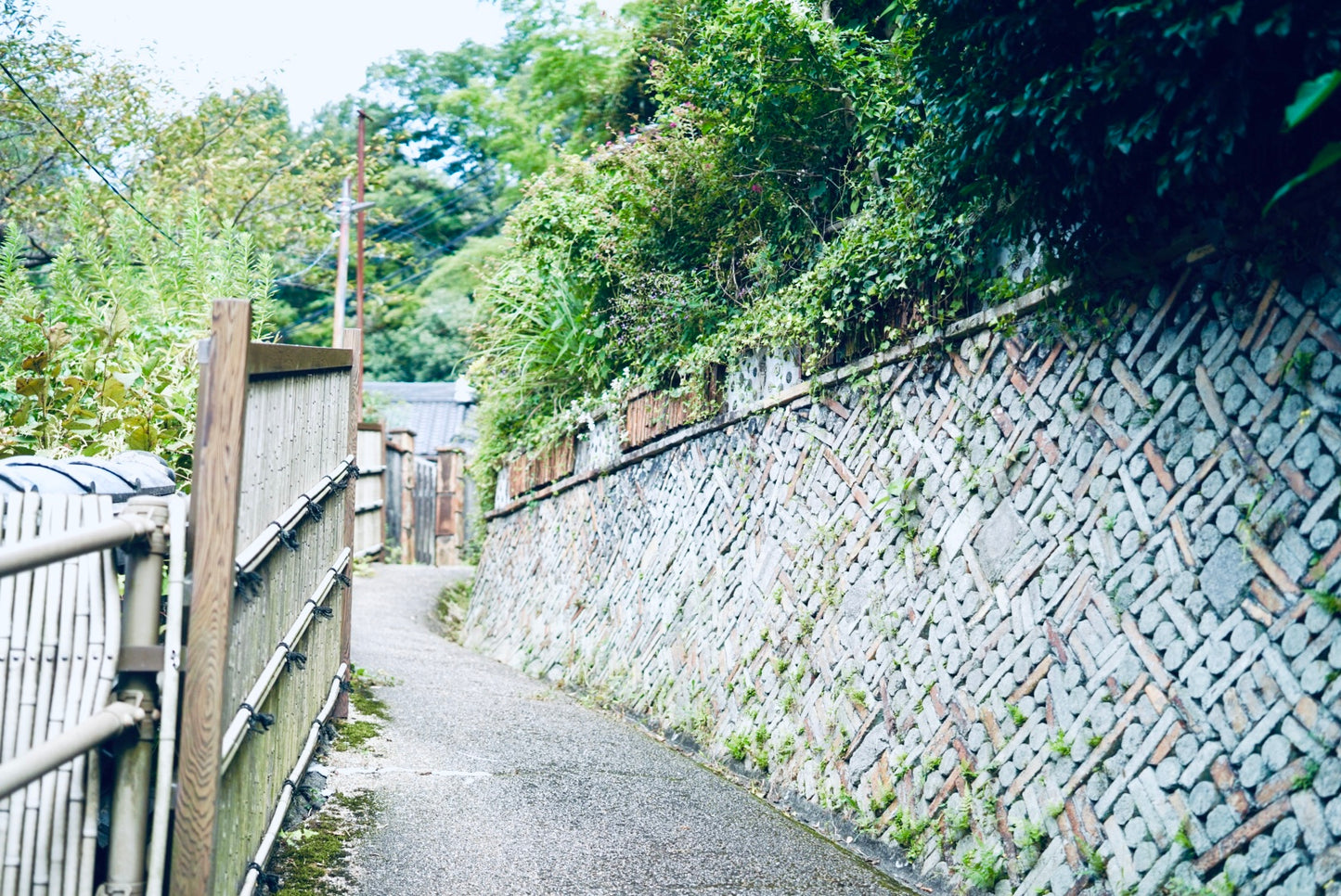
What is the “Kamogaki” Scenery Unique to Seto?

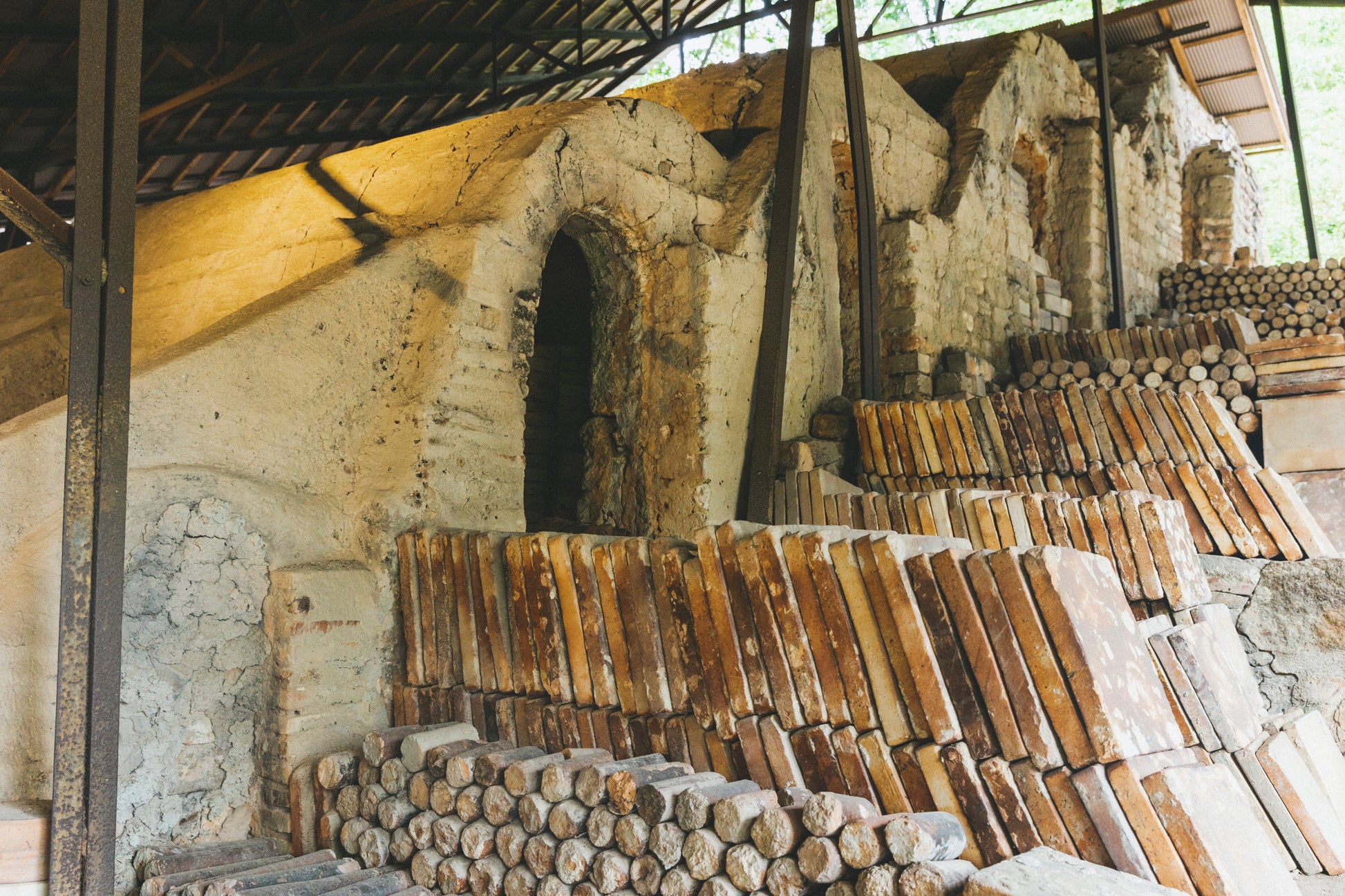
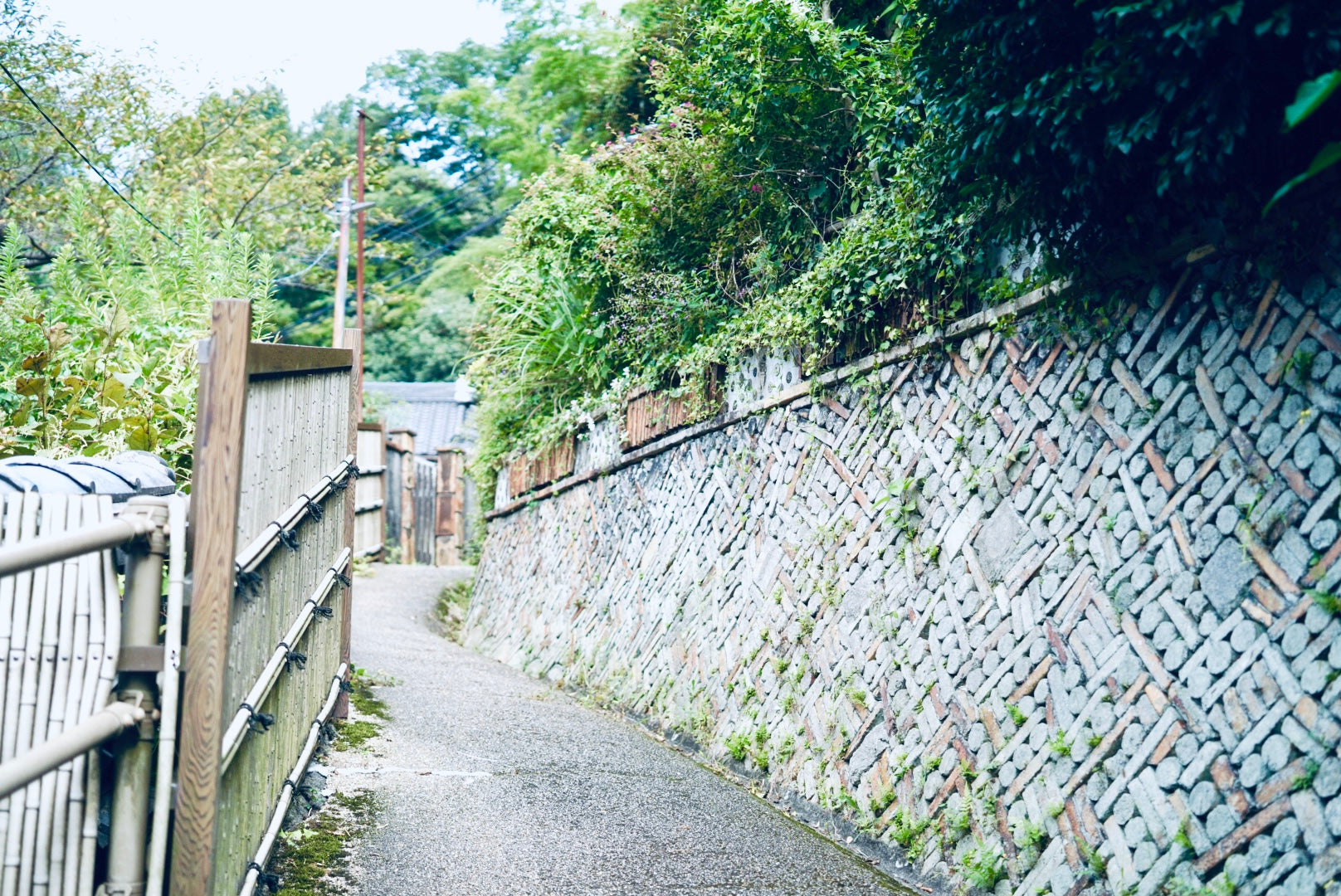
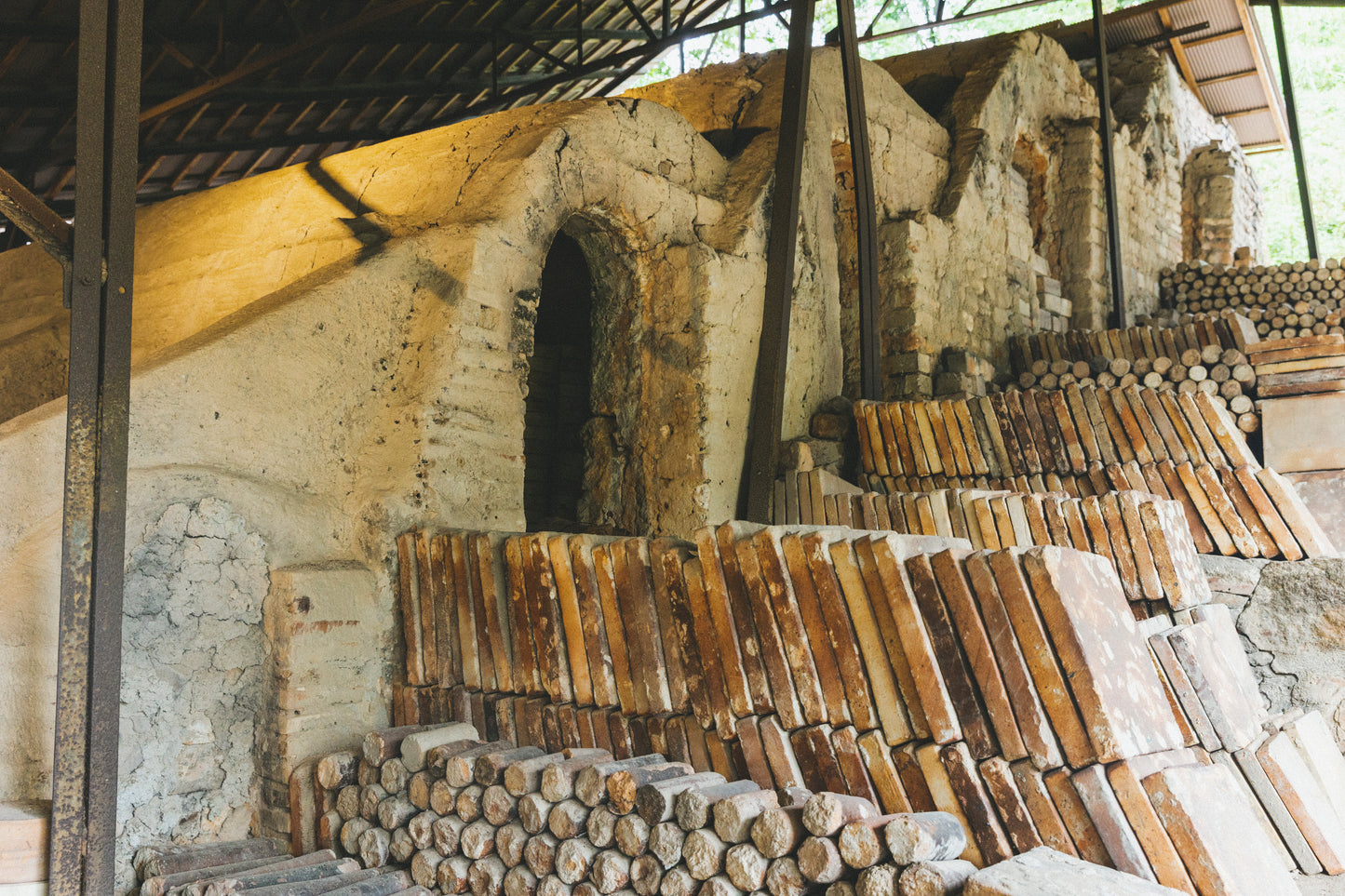
“Kamogaki” refers to stone-like walls made by stacking pottery tools that were once used in climbing kilns.Seto once fired a large volume of pottery in climbing kilns. The photo shows a climbing kiln that remains at the Seto Hongyo workshop after they renovated their facility, now part of the Seto Museum of Craft and Living [Seto Mingeikan]. Climbing kilns are built on mountain slopes and have a firing chamber with holes, as shown in the photo, where pottery pieces are packed tightly before firing.
What Are the Pottery Tools Used in Climbing Kilns?
To pack more pottery inside, tools called tanaita (shelves), tsuku (pillars), and engoro (covers) are used to stack the pottery and prevent it from falling.

Tanaita (Shelves)

Tsuku (Pillars)

Engoro (Covers)

Looking inside, it looks like this. Pottery tools are used repeatedly in climbing kilns, so they gradually weaken and are retired when they develop cracks or break. However, pottery does not burn even when fired at 1,300 degrees Celsius. In other words, once they are no longer useful, they would become industrial waste. Therefore, the artisans of the time repurposed them into kamogaki walls to make good use of them.
Retired Pottery Tools Become Kamogaki Walls

It looks like geometric art. Some parts are stacked roughly and weathered, while others are stacked beautifully, which is part of the charm. The fact that there were so many kamogaki walls means that an incredible number of pottery pieces were produced and sent out into the world. And how many artisans were there to make them? Today, the path is very quiet, but imagining what it was like back then is exciting.


Collaboration with patisserie EISENDO, a Confectionery Shop Dating Back to the Meiji Era
“patisserie EISENDO Seto Store” started in the Meiji era as a Japanese confectionery shop called “Eisendo,” making mochi rice cakes and red bean rice.
The third generation trained at both Japanese and Western confectionery shops in Seto City, and the shop began selling Western sweets. With the current fourth-generation owner choosing to pursue Western confectionery, it became a specialty shop.
In 2019, it moved to its current location and took on the appearance of a castle of sweets.

More than 40 varieties of fresh sweets are always on display, and the shop is always bustling with customers. “Fuminoroll,” a popular local souvenir loved by many in Seto, has once sold 800 pieces a day and has remained popular for over 15 years.
Three Cookies with Different Flavors and Textures

[From Shop Owner Emiko Ito]
“The rice flour cookies are moist. The matcha is not overly rich but has a pleasant bitterness that makes it easy to eat. For the tsuku cookies, we added coconut flakes to the meringue and baked them at a low temperature. The tanaita cookies are slightly firm and contain finely chopped orange peel. Each has a different texture, so I hope you enjoy the variety!”
“A Message from Masukichi Representative Shintaro Minami”

At Masukichi, we are working on a souvenir project to showcase the scenery of Seto, a pottery-producing area, and it is finally complete after more than six months. We hope tourists will enjoy them as souvenirs and locals will choose them as small gifts.
[Product Information]
Product Name: Baked Sweets (Kamogaki no Komichi Cookies)
Ingredients: Wheat flour (made in Japan), butter, sugar, chicken egg, rice flour, coconut, candied orange, matcha, meringue, orange juice, salt / flavoring (vanilla paste), (contains wheat, egg, milk, orange, and coconut)
Contents: 4 packages
Best Before: Approximately 1 month from the shipping date
Manufacturer: EISENDO Co., Ltd. Seto Store
Distributor: Masukichi
Estimated Nutritional Information (per package)
Energy 180 kcal / Carbohydrates 22.5 g / Protein 1.7 g / Salt equivalent 0.28 g / Fat 8.9 g
⚪︎Please consume promptly after opening
⚪︎The matcha rice flour cookies may lose color and flavor if exposed to strong light for extended periods.